Spring allergies, outbreaks & recalls 💐
Listeria recall, 10 measles outbreaks in 27 states, mpox in North Carolina wastewater, and more...
Measles News:
- 3 more states reported their first measles cases: Louisiana, Virginia and Missouri, bringing the total to 27 states with cases so far this year. (ABC)
- The Canada outbreak of measles likely began with a large mennonite gathering in late November, and has grown to 1000+ cases and rising fast. (YLE)
- 10 states now have outbreaks, defined as 3 or more related cases. As of Friday, 94% of all reported U.S. cases (751 out of 800) are linked to those outbreaks. (CDC)
Health News:
- Enoki mushrooms from Harvest NYC were recalled due to potential Listeria contamination. (FDA)
- Whooping cough cases have more than doubled from this time in 2024, to over 8,000 cases. (NBC)
- Mpox has been detected in wastewater samples from a plant in Greenville, North Carolina, even though no cases were reported or confirmed. (WRAL)
- All California residents can now buy Narcan for the reduced price of $24 through the state’s prescription website, CalRx. (LA Times)
- Norovirus rates are declining, though slowly. With such a high peak, though, rates are still quite high at 14.7% test positivity nationwide this week. (Force of Infection)
- Vietnam has reported a case of H5N1 in an 8-year-old girl who is hospitalized and severely ill, the country’s first case so far this year. (CIDRAP)
- COVID can reduce the quality of sperm, according to a new study. (CIDRAP)
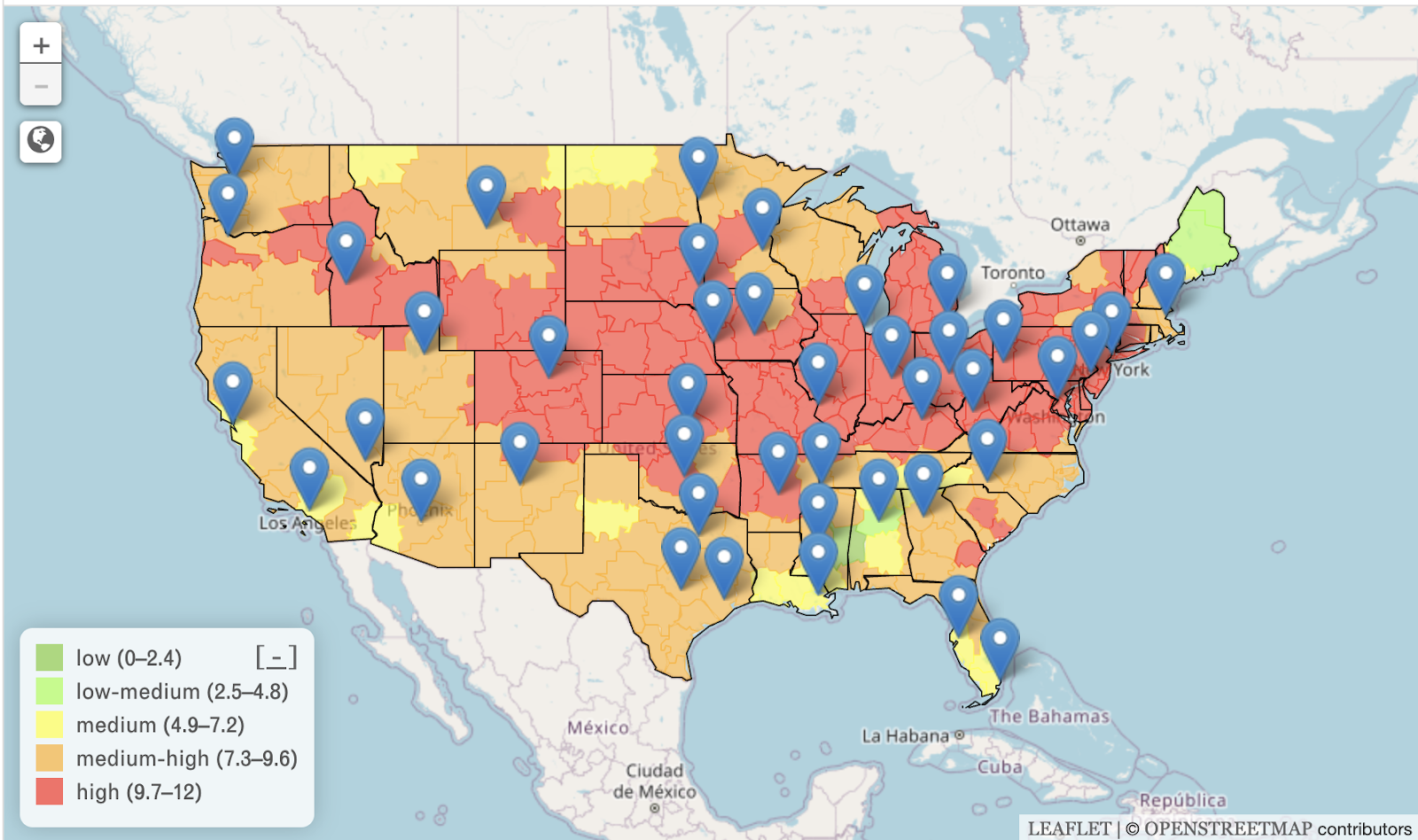
- It’s allergy season, and it’s set to be one of the worst ever - again. Here’s a live allergy map of the U.S. to see what to expect in your area. (YLE, Pollen.com)
Best Questions:
Is there a difference between measles exposure outdoors versus indoors?
The short answer is yes. Respiratory illnesses, including measles, are less likely to spread outdoors than indoors, because airflow disperses airborne droplets. Measles can linger in the air for up to two hours after the infected person leaves an indoor area, but when outdoors, the virus is spreading out into a huge expanse of air, not just a single room, so the chances of breathing contaminated air are likely much lower (though this hasn’t been studied nearly as much as indoor spread).
Still, measles can spread easily via direct contact. If an infected person coughs or sneezes on you or if you touch a contaminated surface, you can absolutely be exposed to the virus, even outdoors. That said, being outdoors is very likely to reduce your risk of measles transmission from a casual interaction.
For businesses operating near a measles outbreak, focusing on good ventilation with a high rate of air exchange would be prudent to reduce your risk, though vaccination is still the best tool we have in our toolkit for preventing a measles outbreak.
What was the first vaccine advisory committee under RFK Jr. like? Should we expect major changes to vaccine recommendations?
We have really good, boring news from the CDC: this first Advisory Committee on Immunization Practices (ACIP) meeting was pretty much business as usual. They voted to expand options for meningococcal vaccines, lower the age of RSV vaccines to those 50+ with certain specific risks, and recommended vaccines for mosquito-borne chikungunya for travelers.
There was a representative from the FDA, a new hire who pushed back a bit and asked questions about the effectiveness of some vaccines. Interestingly, there was a larger conversation about a push to switch to the European risk-based approach for vaccine recommendations, which would only recommend vaccines for those at higher risk, like people over 65, contacts of immunocompromised people, those living in nursing homes, etc. This could complicate insurance coverage, which is much different here than in Europe.
Overall, it was a sigh of relief to see that despite the news and many changes, this group was still reviewing factual evidence and making recommendations without much politics involved.
Best Read:
FDA inspectors who travel internationally to inspect manufacturing plants for everything from baby formula to eye drops weren’t cut in the HHS layoffs, but the team that coordinated their travel and visas were. Some of the inspectors say it will slow them down even more.
How FDA cuts could make the food and drug supply less safe - NPR